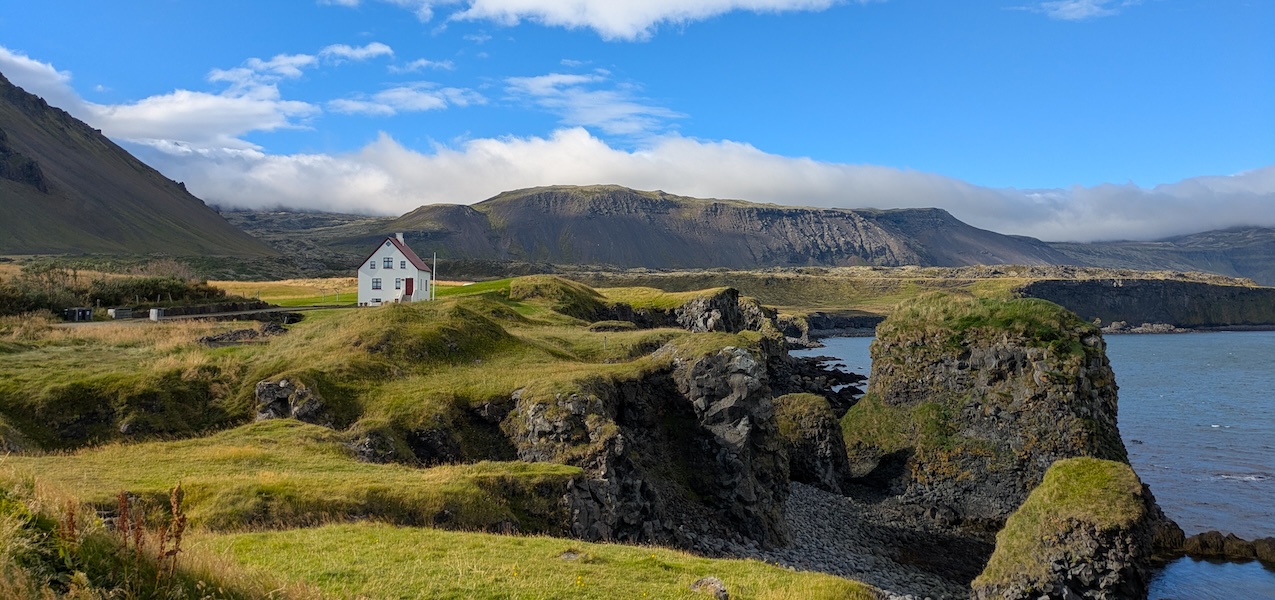
So I don’t usually write a Slow Travel Review unless I’ve lived in a place for at least a month (hence the “slow” part”), but I’ve now visited Iceland for a total of two weeks across 2024 and 2025 and I have to talk about it. I love Iceland so much that I gush about it to anyone who will listen and today I’ll do a deep dive into why.
Arrival
Visa
When I first visited Iceland in 2024, it didn’t require a visa. Iceland is a part of the Schengen Visa Area, but not part of the EU (nice and confusing 🙂 ). So that means that it has the same Schengen visa rules as the EU.
When I was planning my 2025 Iceland trip, it was announced that US citizens will need a visa to go to a Schengen Area and it is called the ETIAS. I kept looking for updates to see when I could apply for this visa, but its launch date kept being pushed back and in the end, I didn’t need a visa for my 2025 Iceland visit either.
However, this is a heads up if you’re going to Iceland because ETIAS is currently planning to launch in the 4th quarter of 2026 and if you’re a US citizen you’ll need to apply for a visa to visit Iceland.
Flights
Going to Iceland was my first experience flying IcelandAir. I was very impressed with their pricing and the fact that their Multi-City Flights were the same low price as regular roundtrip ones.
I also loved their Up To 7 Day Stopover option that I used on one leg of both of these trips. However, my first flight ever with IcelandAir was cancelled because of a mechanical issue.
I go into detail about all of that in the post above, but in summary: I was actually very impressed with how they handled the issue and my Trip Delay Reimbursement with my Chase Sapphire Preferred Card paid for everything we needed during the delay.
Also, apparently the EU provides compensation for flight delays so we received compensation for almost the entire cost of the flights as well. Sweet 🙂 .
My only warning about flights to Iceland is that a lot of the flights seem to be understandably late at night because of the time zone change, so plan accordingly if you’re not able to sleep on planes. Spending your first night in Iceland close to the airport in order to get some rest after you land and before starting your adventure exploring Iceland might be a good idea and is now a part of our regular process.
Transit
Maps
I searched on Reddit before I left and found that the Visiting Iceland Subreddit had several helpful maps, such as one of every Gas Station and Supermarket in Iceland as well as a SuperMap that people are updating with everything from Attractions to Campgrounds. I used those maps to help inform my final route around this country.
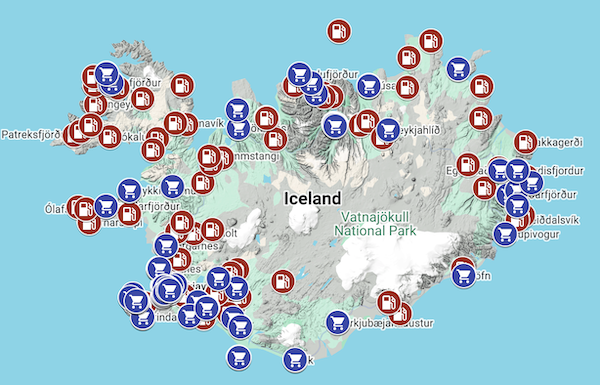
Also if you like that kind of thing, you can create your own map in Google Maps with different colors and icons that show your route, accommodations and anything else you want to easily see on your phone. I made one of these and then never found myself using it after my initial planning phase, but if that sounds helpful to you – it’s an option.
Offline Maps
Before I left for my first trip to Iceland, I made sure to download an offline version of Iceland in Google Maps in case I lost service in the remote areas we were visiting. Surprisingly, I rarely noticed when I lost service, but maybe that was because I had downloaded this map ahead of time and it gave us directions around the entire island effortlessly.
I use Google Fi for my global phone provider and luckily it didn’t have trouble getting service even in remote areas of Iceland. However, I did see service drop in predictable places like National Parks.
Parking
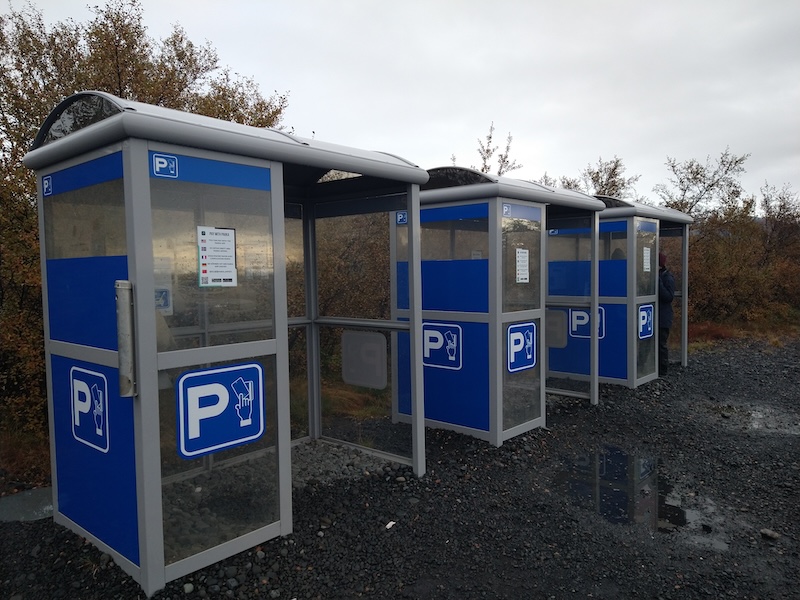
My friends who previously visited Iceland told me to get the Parka App because it allows you to pay for parking all over Iceland. In every attraction’s parking lot, I either encountered signs saying to use the Parka App or a link to pay on a website on my phone.
We withdrew $20 USD in Icelandic Króna at the airport in case a parking lot only took cash, but none did so we had to figure out how to get rid of that $20 before we left 🙂 .
Rental Cars
Circumnavigating Iceland easily requires a rental car. So I dove into exploring which rental car company in Iceland was the best to work with.
This was my first time renting a car in another country so I did a lot of internet research. I was immediately cautioned by random internet strangers who said that several of the US based rental car companies that I’m familiar with, had bit them in the ass in Iceland. Specifically because Iceland has unique challenges that some of the US based companies are less prepared for compared to an Iceland-based company.
I read that people were charged way more than their initial rental cost as a result of these issues. So I wanted to find an Iceland-based car rental company that understood Iceland’s unique challenges and had great reviews.
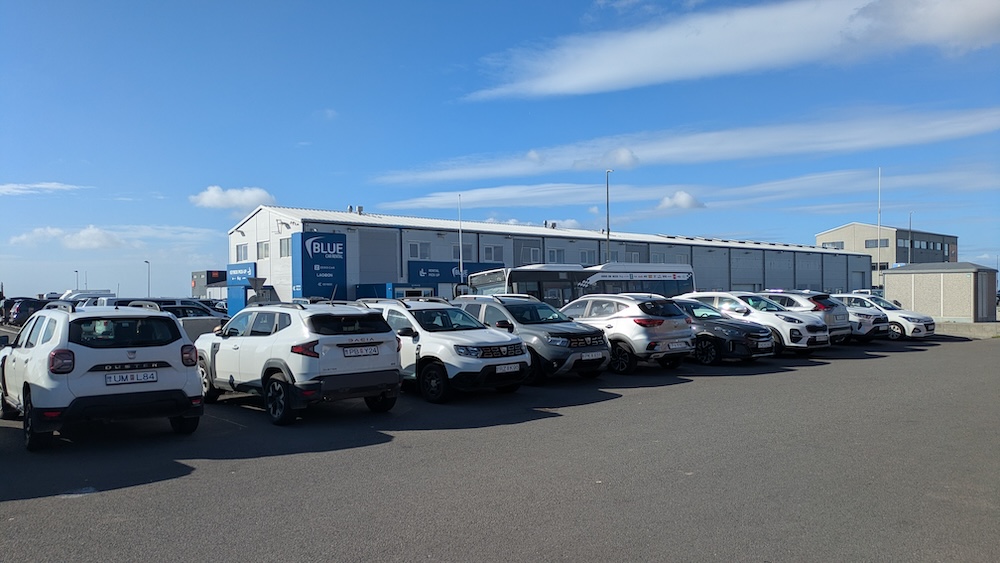
Enter Blue Car Rental 🙂 . I first heard about them while reading the Dragons On Fire blog where they detailed their 11 day trip circumnavigating Iceland. They mentioned in this post that they had paid about $600 for their 11 day Blue Car Rental in 2022 by using a Black Friday Deal.
So I emailed them asking more about this deal. They’re friends that I met at FinCon in 2019 and have kept in touch, and they were super helpful with my trip planning! They mentioned that they had found someone’s affiliate link and also went to the Blue Car Rental website for a Black Friday/Cyber Monday deal to get an additional 15% off.
The discounts stacked, which I found very interesting 🙂 . Black Friday was also fast approaching and because I like to plan ahead. I eagerly awaited Black Friday for the first time in my life so I could get a discount on an Icelandic rental car.
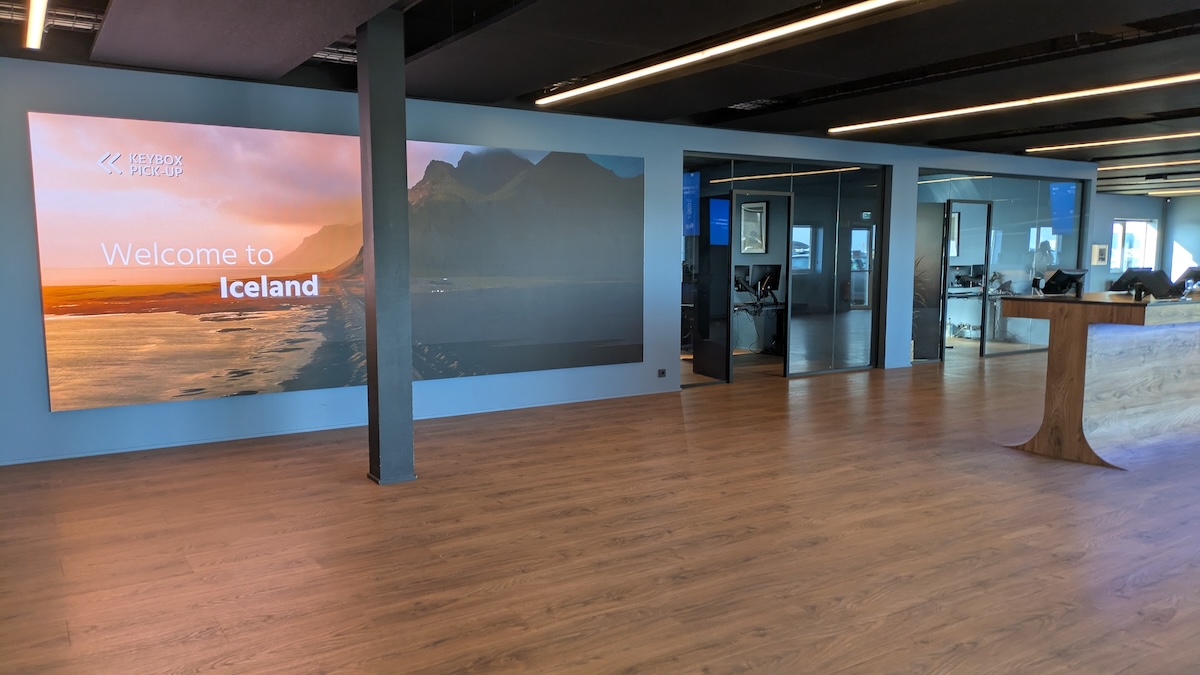
At the same time, I heard from a family member that recently visited Iceland that they had also used Blue Car Rental and had a lovely time. So I felt good about my choice 🙂 . And the trip went well!
I go into all the dirty details in the above blog post reviewing Blue Car Rental but in summary, there was a little bit of drama with them giving me the wrong car at 6am. However, I noticed the error, and it was quickly fixed.
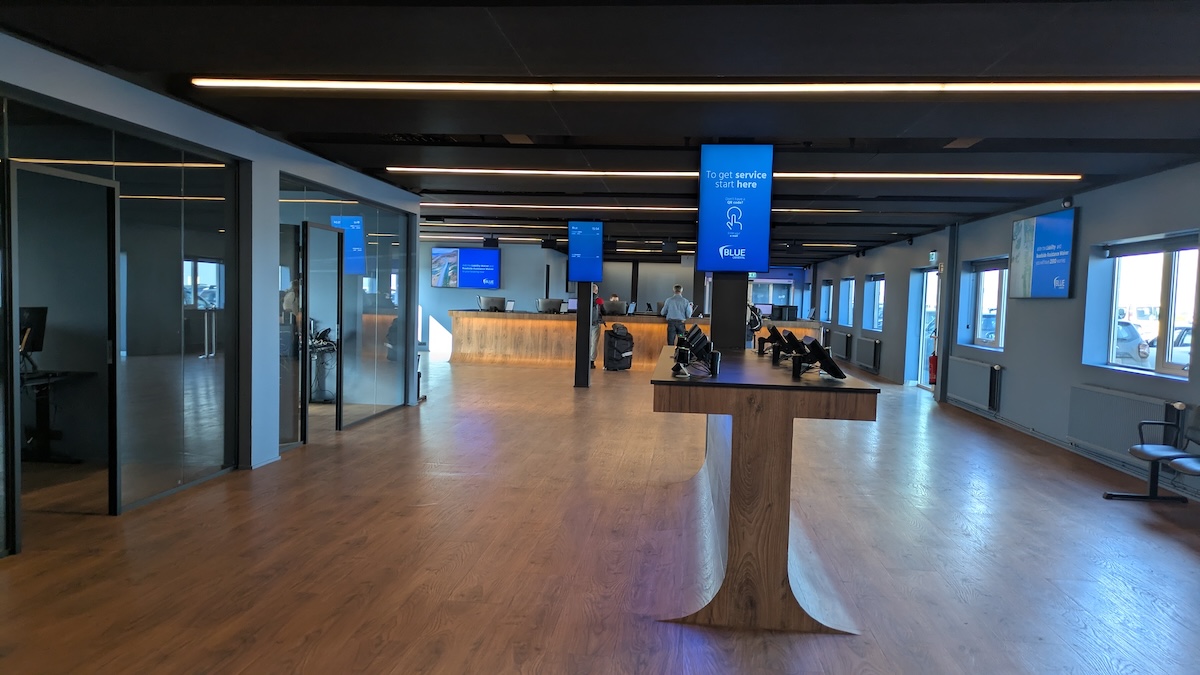
The second time I rented a car with them in 2025, I had an absolutely perfect experience. And I’m excited to use their rental cars again when I inevitably return to Iceland 🙂 .
Gas
One thing that stresses me out is not knowing in advance how to properly do things in other countries, so please allow me to provide information I wish I had before trying to figure out how to pump gas in Iceland 🙂 .
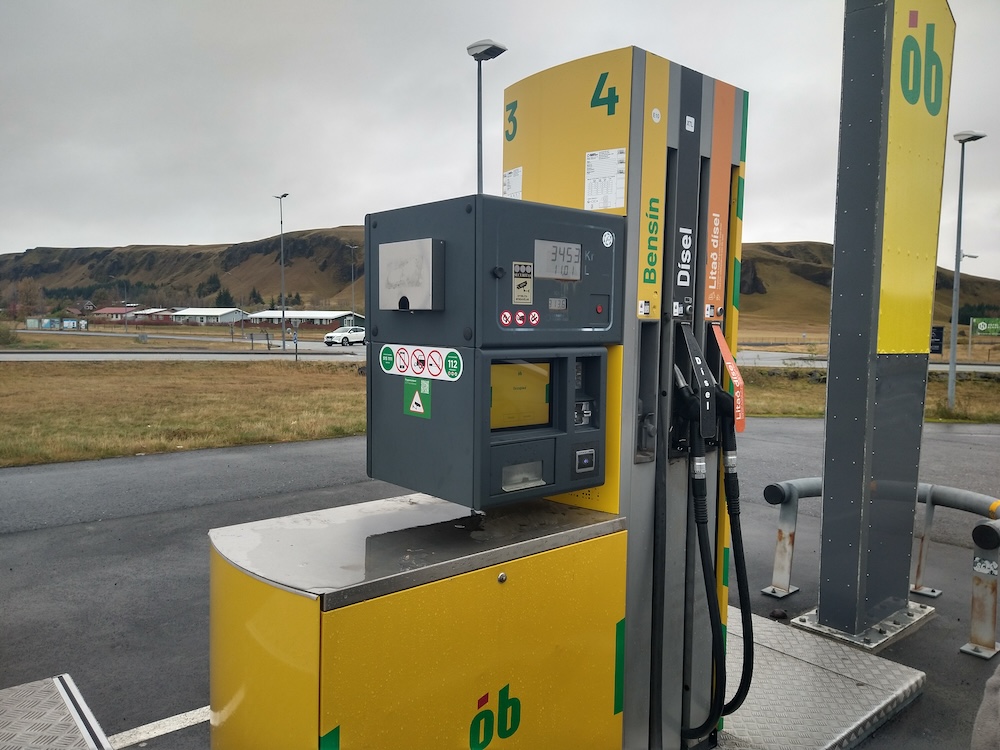
At the gas station chain ÓB, this is what I did to pump gas:
- Press the UK flag to switch to the English language
- Insert your credit card when they prompt you to do so
- Insert what amount of ISK you want to be charged for gas (I select the max so it fills the car and then auto shuts off that max ISK amount)
- Fill up the car
- Afterwards press the receipt button (if you don’t you won’t receive one)
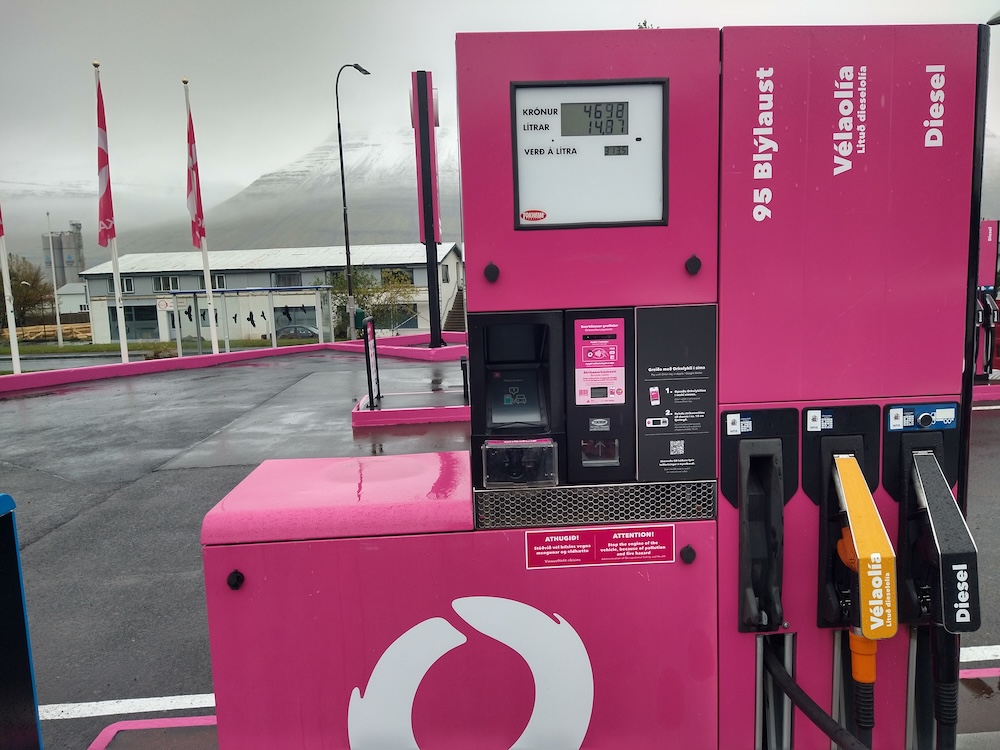
And at the chain Orkan this is what I did:
- Click the top right button on the screen to change the language to English
- Lift the clear flap under the screen and insert your credit card there
- Note: Be careful not to put the card near the screen because it will think you want to use a contactless card (unless that’s what you’re trying to do)
- The machine starts making a loud noise and then you grab the hose and fill up the car
Gas Station Charge Holds
Heads up that Iceland gas stations usually place 2 charge holds on your credit card when you purchase gas. The first is a large amount to ensure funds are available and the second is the actual cost of your fuel.
The first charge should go away after a few business days without incident and only the second charge is actually charged to you, but just a heads up in case you’re startled by that large first charge hold like I was.
Blue Car Rental Gas Discount
Also a heads up that Blue Car Rental provides a chip on their car key chain that currently gives a 7 ISK ($0.05 USD) discount per liter of fuel at ÓB or Olís gas stations. It also provides a 10% discount on food purchased at Olís.
Driving Tips
Our first trip to Iceland was the first time I both rented a car and drove it in another country. Understandably, there was a lot to learn so here is a summary of all the driving info I found helpful in Iceland.
First, let’s talk about speed if you’re used to mph instead of kmph. Here’s a quick guide based on the most common speeds in Iceland:
50 kmph = 31 mph
90 kmph = 55 mph
Also just so you know, 1 km = 0.6 mi (so 10 km=6 mi, 100 km=60 mi).
Road Rules & Signs
Blue Car Rental provides a very clear guide of local driving signs and rules, which I found really helpful. Feel free to check that out, but here are a few other points that I found helpful to know when driving in Iceland.
First is that there are a lot of roundabouts in Iceland and they have different rules than I’m used to in the US. In Iceland the inner lanes of a roundabout have the right of way so be careful and aware if you’re in the outside lane in case inner lane drivers are looking to get in front of you and exit.
Another new driving experience for me was the many one lane bridges in Iceland. There is always signage about this in advance, but since the bridge is only one lane, you need to wait until anyone that is driving in the opposite direction (toward you) crosses the bridge and then you can go since there isn’t room for both cars on the bridge. Luckily during our explorations of Iceland, we actually didn’t see a lot of other travelers and we rarely encountered another car driving over these bridges so it wasn’t a huge deal.
Lastly, watch out for sheep in the road. At times there are signs about rogue sheep, but usually when we saw sheep in the road there weren’t any signs. So just be aware that these fluffy, horned baddies understandably think they rule the countryside and DGAF, so just watch out for our fluffy friends.
The Ring Road
The main road in Iceland that circumnavigates the country is called Route 1 or The Ring Road (aka Hringvegur in Icelandic with vegur meaning “road”). This road is wonderfully maintained and absolutely gorgeous.
Like all previous road trips I’ve been on in my life, I expected to read a book at times when I wasn’t driving, but on this 7 day trip I never looked away from the landscape because it was so breathtaking and changed completely every few hours. Iceland is wild and the Ring Road is beautiful.
Tunnels & Tolls
There are a few tunnels and tolls in Iceland that we went through and it was always very clearly marked if a fee was required to go through them. I would recommend having your co-pilot write down any payment information that is on the signage, which for us included a website like this one that I needed to go to so I could pay the tunnel fee within 24 hours.
Also just a heads up in case you’re like my Mom and don’t love underwater tunnels, there are a few in Iceland including Hvalfjarðargöng, which is one of the longest underwater tunnels in the world at 5,770 meters (about 3.5 miles) and it reaches a depth of 165 meters (541 ft) below sea level. So just a heads up to swap drivers before you see these tunnels coming up on your map if that’s not your favorite thing.
Weather
I’m very glad that my mom was traveling with us to Iceland, and is a much more experienced driver than me because while circumnavigating Iceland, we experienced road conditions including hail, rain, high winds and driving on cliffs, which at times did not have barriers. So just a heads up if you’re going to be driving around the entire island – you might encounter some weather.
Taxis
Based on my experience, all taxis in Iceland take credit cards and there was a line of them easily available right outside the Reykjavík (KEF) airport.
Climate
As I mentioned, both of my visits to Iceland happened in September. During our weeks there, our weather apps often said it would be cloudy and rainy all day, but it never actually was. We didn’t see a lot of rain and we rarely had a fully cloudy day.
So weather apps such as the default one on the iPhone and the one I use, Today Weather, don’t seem to be very accurate in advance when it comes to that part of the world.
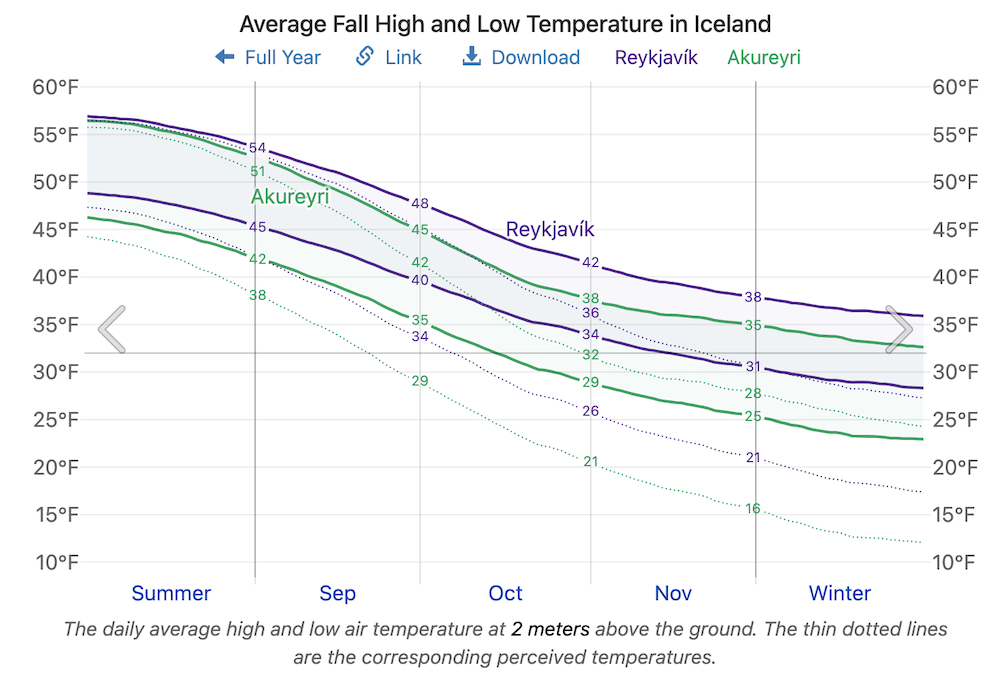
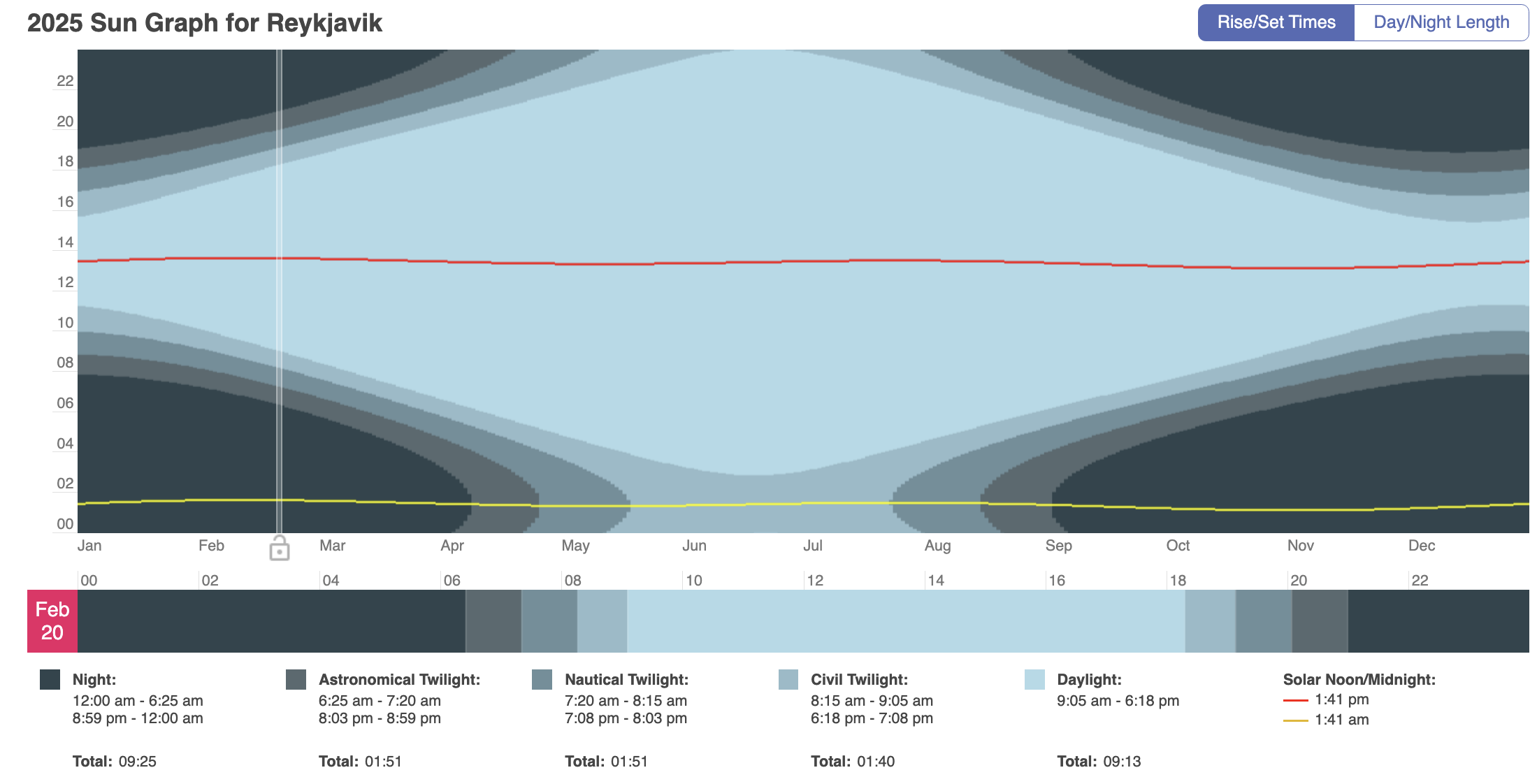
Just a heads up that Iceland is close to the Arctic Circle so the amount of night and day can be a bit wild depending on the time of year. For example, the summer sees up to 21 hours of daylight while the middle of winter sees as little as 4 hours.
Cold Weather Gear
As I mentioned in my packing list, I always travel with a collapsible puffer jacket and a sweater. I also travel with multiple pairs of pants that I can layer if needed in colder conditions and I used all of the above clothes when waiting in the cold in the dead of night looking for the Northern Lights in Iceland.
I do travel with a Turtle Fur Hat, but I also knitted a headband with Icelandic wool that I bought in Iceland, and that kept my ears warm on those colder nights outside.
Nature
Oh Iceland – it’s basically a magic land 🙂 . The landscape is so wildly different for such a relatively small country.
Since the pandemic, I have had a greater appreciation for the beauty of landscapes in the US, but I can drive for 6 hours there and everything looks very similar. However, in Iceland, the landscape and even weather looks completely different every few hours on the Ring Road. It’s wild.
We went from lush greenery that reminds me of Ireland, to an Arctic Tundra, from black sand beaches to glaciers, from bright blue waterfalls to lava rocks, and from basalt columns to geothermal hot springs. And all of that includes an abundance of fluffy sheep and adorably short-legged Icelandic horses. Ugh – I just love it so much.
Aurora Borealis
Another amazing aspect of Iceland’s natural beauty is the Northern Lights! As I’ve mentioned on this blog before, I finally saw the Aurora Borealis properly during my 2025 Iceland visit! And in preparing for this experience, I did way too much research that I will now share with you 🙂 .
It might seem obvious, but to increase the chance of seeing the northern lights you need to look…North 🙂 . Wild I know.
In addition, our Airbnb host suggested that as soon as it becomes dark outside, we should go out to check if we can see the lights and if we can’t, to go back inside and then check outside regularly. I’m so happy for this advice because we were going to wait until the middle of the night to check for the first time and if we had done that, we would have missed the gorgeous views below.
While we were in Iceland in September, it never actually became “night” – the darkest it got was “Astronomical Twilight” so it looked like the sun was only just setting at midnight because it was barely over the horizon all night. It was wild to see that while I was up at 1am looking at constellations. It was also helpful for stargazing and aurora chasing that the moon didn’t rise for 3 days of our visit.
Every night I used the apps Hello Aurora and SpaceWeather to see what was up. They both allow you to set notifications so it can tell you if other people are posting pictures of the aurora near you (with Hello Aurora) or if the KP index is over 4 (with SpaceWeather), which indicates solar and aurora activity.
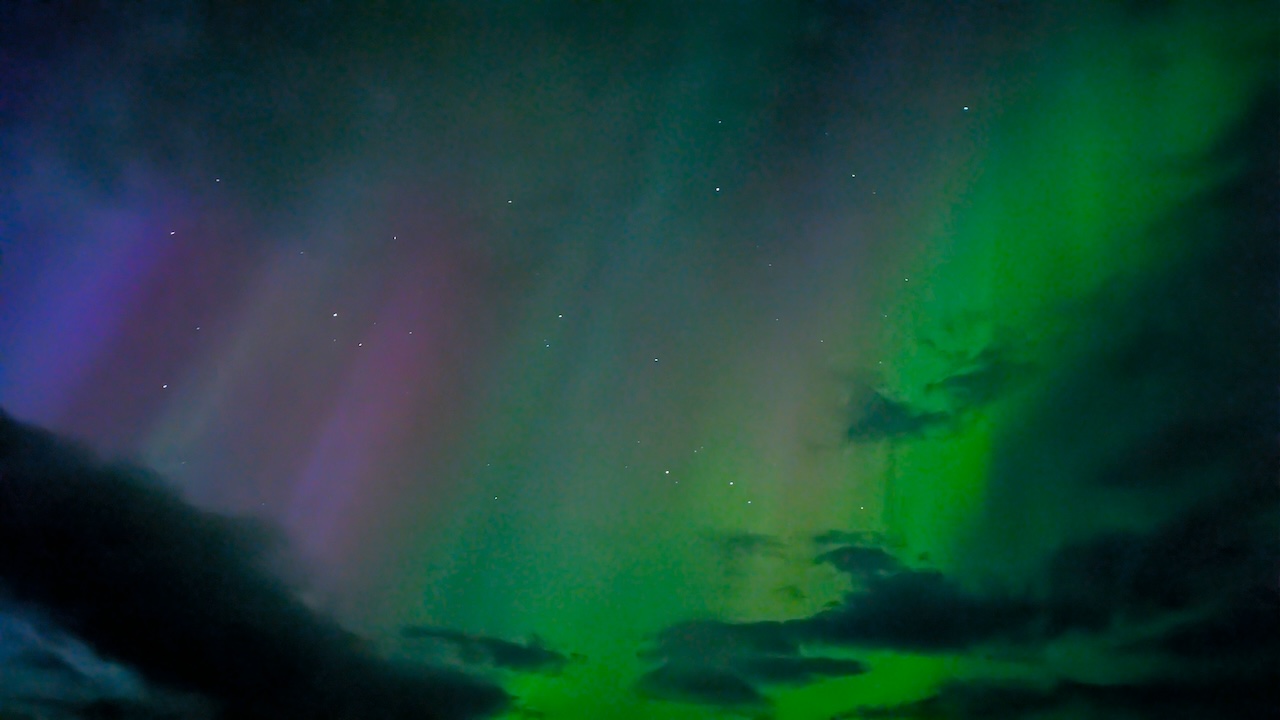
On the night we first saw the aurora, there was only a KP of 3 and Hello Aurora said there was 97% cloud cover and a 23% chance to see the aurora – but we saw it. We also saw shooting stars at the same time, which was a magical way to experience one of my bucket list items.
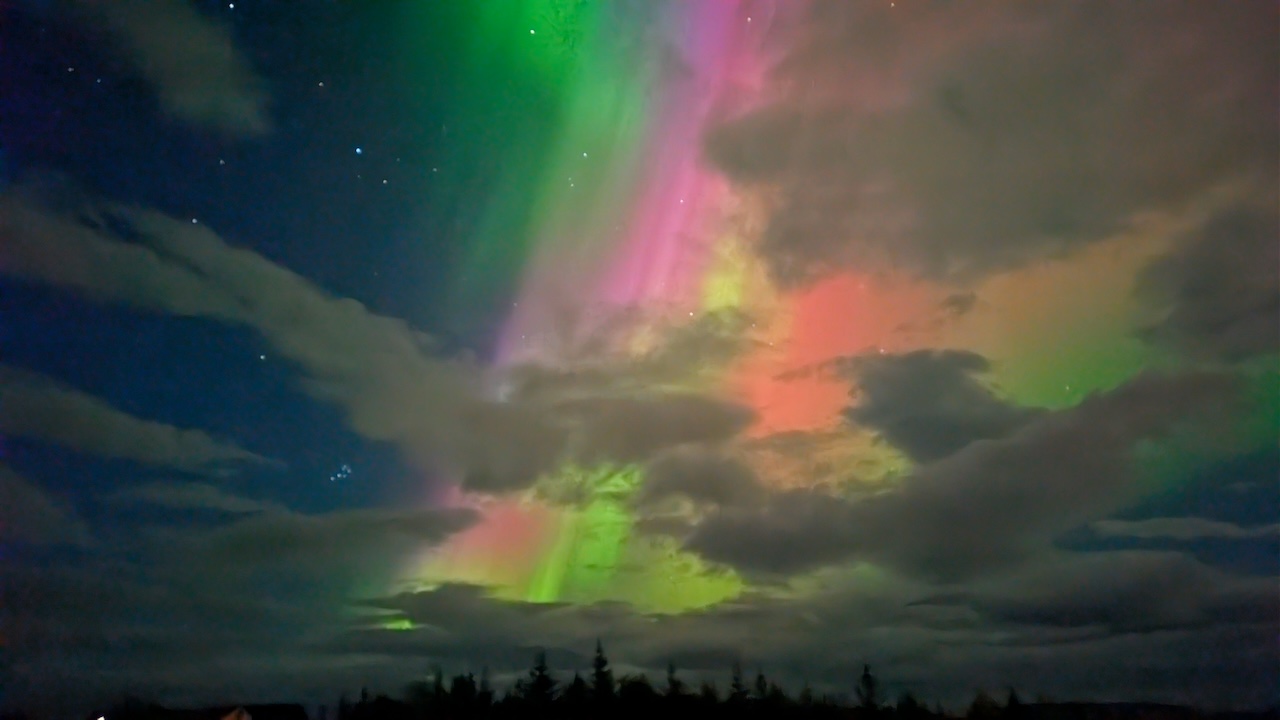
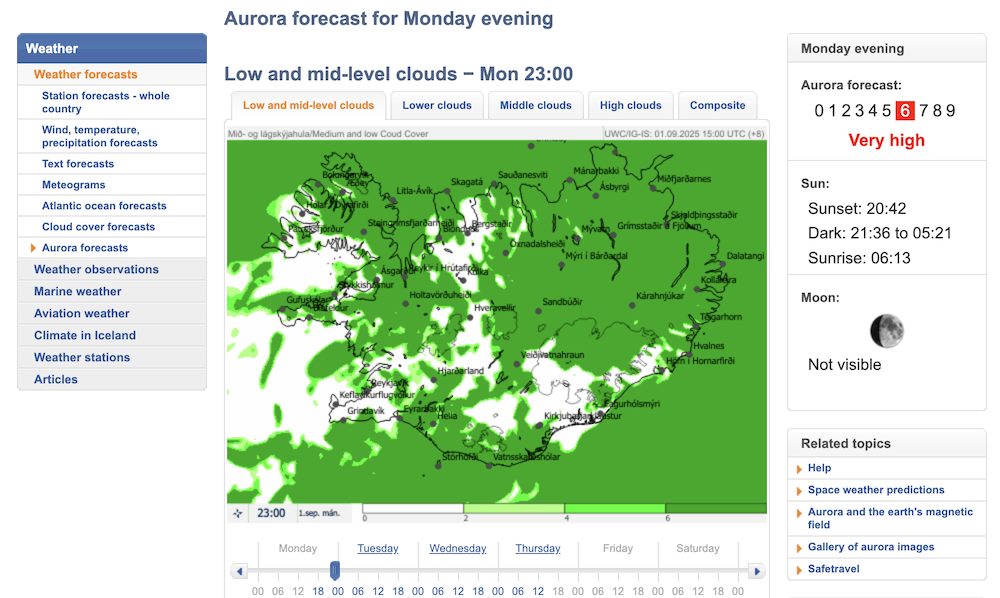
However, the next night was a solar storm with a KP index of 6 and 7. Hilariously Hello Aurora stopped working that night after being flawless for a week – I guess the sun was too powerful to measure 🙂 . In addition to those apps, I also used this Icelandic website that locals told me is what they use to see the aurora forecast.
I got lucky that we had a weak aurora “dress rehearsal” the night before the solar storm because I quickly realized that all of my photography tips did not work on the aurora with my Pixel 8a.
I needed to keep my shots steady in the wind and I don’t own a tripod so I had to get creative. I got a tupperware container and hand towels to make a DIY stand for my phone that I could place on the ground to face towards the sky and capture long exposures of up to 4 minutes.
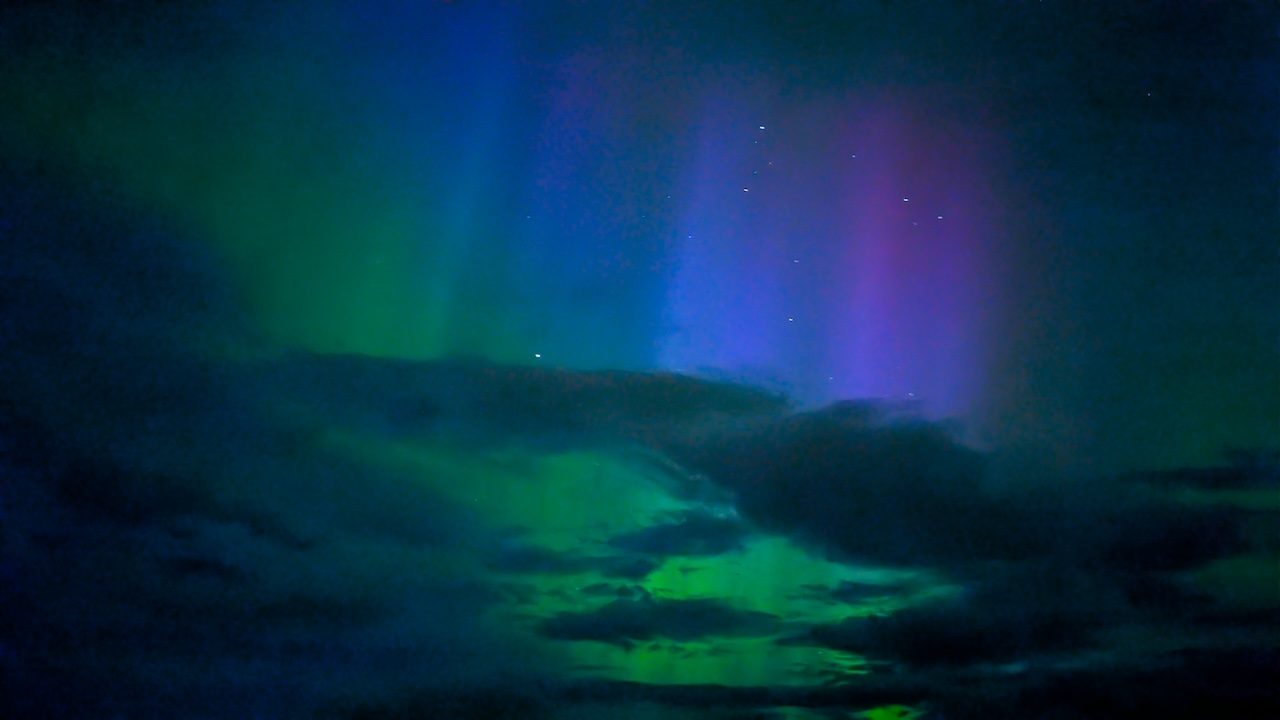
On my Pixel 8a, I used the Night Sight camera function and selected the longest exposure possible, which is usually called Astrophotography Mode. It then takes a long exposure while counting down on your main screen so you know when it’s done. While doing that, it actually takes a photo and a video, which I posted on Insta below 🙂 .
Culture
Like every new country I visit, I learned about a few cultural differences in Iceland that I wanted to make a note of so I can remember when I inevitably go back 🙂 .
Houses
It seems like people in Iceland don’t use top sheets – just a fitted sheet on the mattress and a duvet on top of it. I used to live my life like this until my Partner objected so it’s good to know I was always right – I was just being Icelandic 🙂 . All of the Airbnbs I’ve stayed in within Iceland were arranged this way.
Also the doors to houses we encountered only locked if you’re pushing the door handle up while locking it, so heads up about that. On another note, one Airbnb we stayed in only had one thin pillow per person, which was a contrast to all the other Airbnbs we stayed in and didn’t work for my princess and the pea tendencies 😉 . It wasn’t a bit deal and I assume this was a personal host preference instead of a general Icelandic thing, but in case you need some extra pillows, we bought some at Ikea for $6 USD each 😉 .
Cairns
While circumnavigating Iceland we kept seeing piles of rocks in the middle of nowhere and looked up what they were. They’re called cairns and some date back to the 9th century when Vikings used them as landmarks.
Back in the day, there obviously weren’t roads or paths really so people used these cairns to navigate through the at times harsh weather conditions of Iceland. Some of the cairns are even big enough that people could use them as shelter on their journey.
So basically they’re important and shouldn’t be touched these days 🙂 . It’s apparently understandably illegal to disturb those large, old cairns, but people are also not allowed to make new ones since they might confuse hikers that still use them to this day. So no touching the cairns! Good to know.
Utilities
Electric
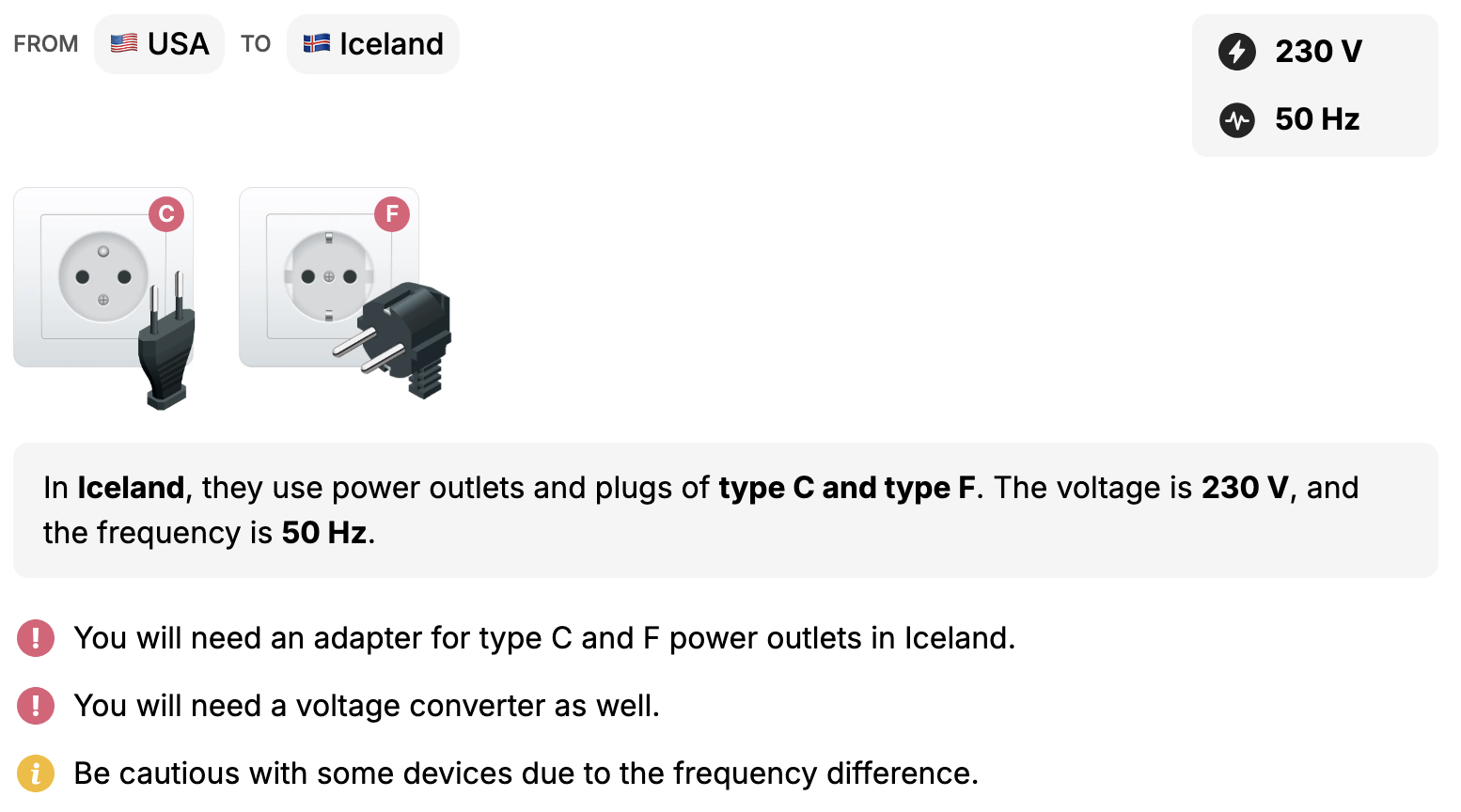
Iceland uses the same sockets and voltage as European countries, so I used my International Adapter that works in any country along with my Multi-Use Charging Cord. Easy peasy 🙂 .
Public Toilets
At a lot of landmarks and attractions the public toilets were free, but we did encounter one paid toilet at the visitor center outside a national park in Iceland. I paid 200 ISK ($1.63 USD) to use it and it was very clean and nice.
Garbage
Since we stay in Airbnbs, we take care of our own garbage and the garbage separation in Iceland is the most extensive I’ve ever seen 🙂 . However, all their trash bins were clearly labeled so the separation rules were easy to follow.
Language
Before I go to another country that has a primary language that’s not English, I try to learn at least a few words and phrases in the country’s primary language. The below is what I originally prepared before visiting Iceland for the first time and discovering that I’d never need to use them because everyone spoke to me in English.
98% of the people in Iceland speak English and I was never spoken to in Icelandic, but that might be because I am very obviously not Icelandic (I’m a black woman 😉 ). For contrast, my white Partner was spoken to in Icelandic multiple times until they switched to English at his confused expression 🙂 .
All that to say, here are some phrases I learned that I didn’t get to use:
Hello – Halló
Please – Vinsamlegast
Thank You – Þakka þér fyrir
Do You Speak English? – Talar þú ensku?
Goodbye – Bless
I find the Icelandic language very interesting because it’s quite different from English. For example, Icelandic doesn’t use the letters C, Q, W or Z, but does have the letters Ð, Þ, Æ, and Ö as well as accented versions of the letters Á, É, Í, Ó, Ú and Ý. So reading road signs aloud properly was always a fun challenge 🙂 .
Food
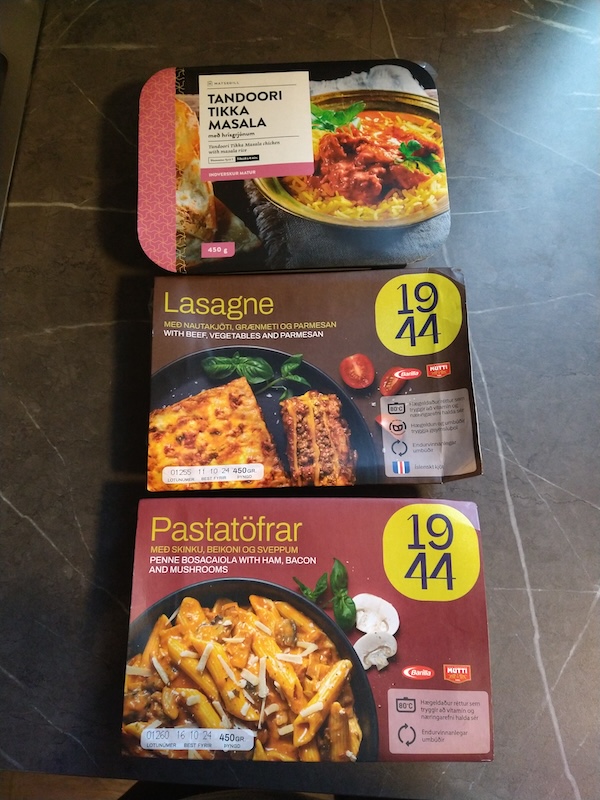
Since we were traveling into the wilderness, we weren’t usually around things like restaurants or grocery stores, so we would stock up when we came across them. We bought lots of fruit for snacks and microwave meals, which were quite tasty.
Groceries
The main supermarkets in Iceland are Bónus, Nettó, and Krónan and we visited all of them at one point 🙂 . They all have a variety of food, but the amount of options depends on how big the overall store is in that town.
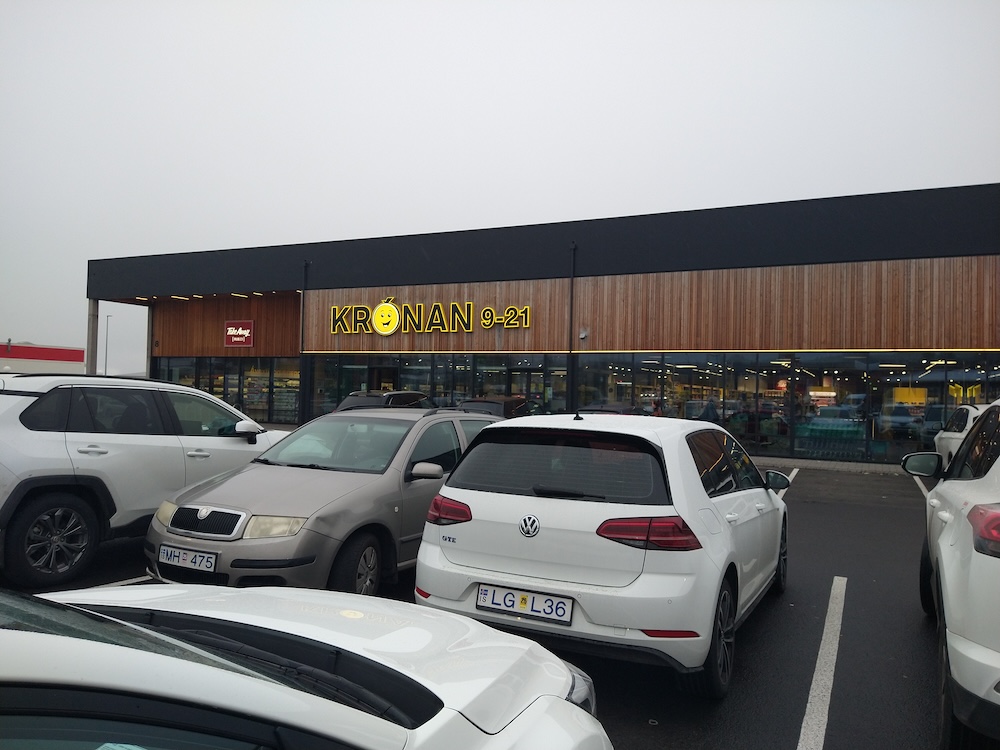
Overall it seemed like Bónus had the best prices, but there didn’t seem to be a huge difference. Also, since we were just going to grocery stores whenever we rarely saw them, we didn’t intentionally go to one over the other.
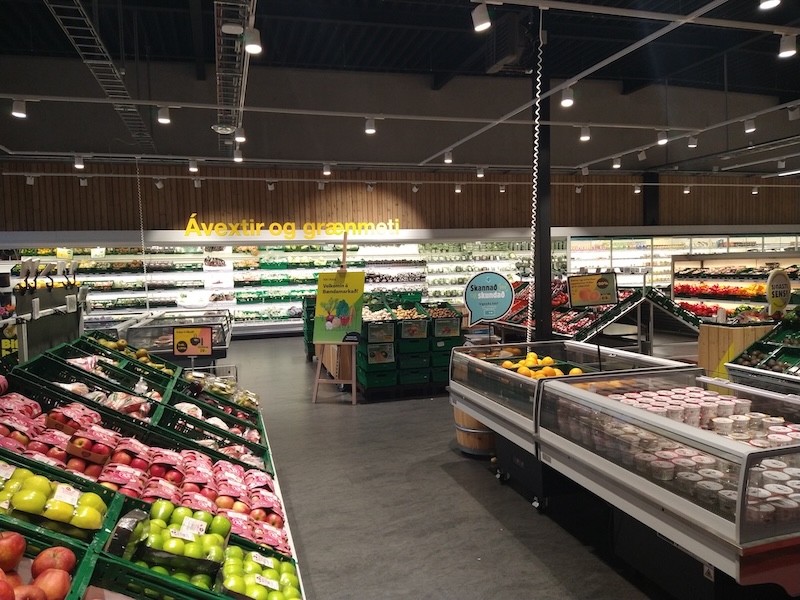
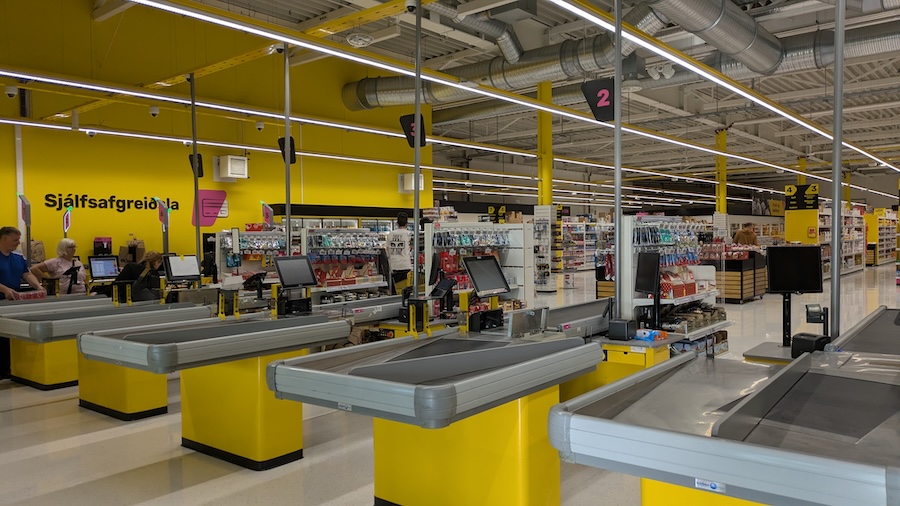
Most of these stores had a self checkout section that we used. To switch the language on the screen from Icelandic, we pressed the UK flag for English, scanned our items, paid and then pressed the receipt button after the transaction (you won’t receive a receipt otherwise). We usually just filled our backpacks with our items, but these grocery stores do have paper bags for purchase that we used a few times as well.
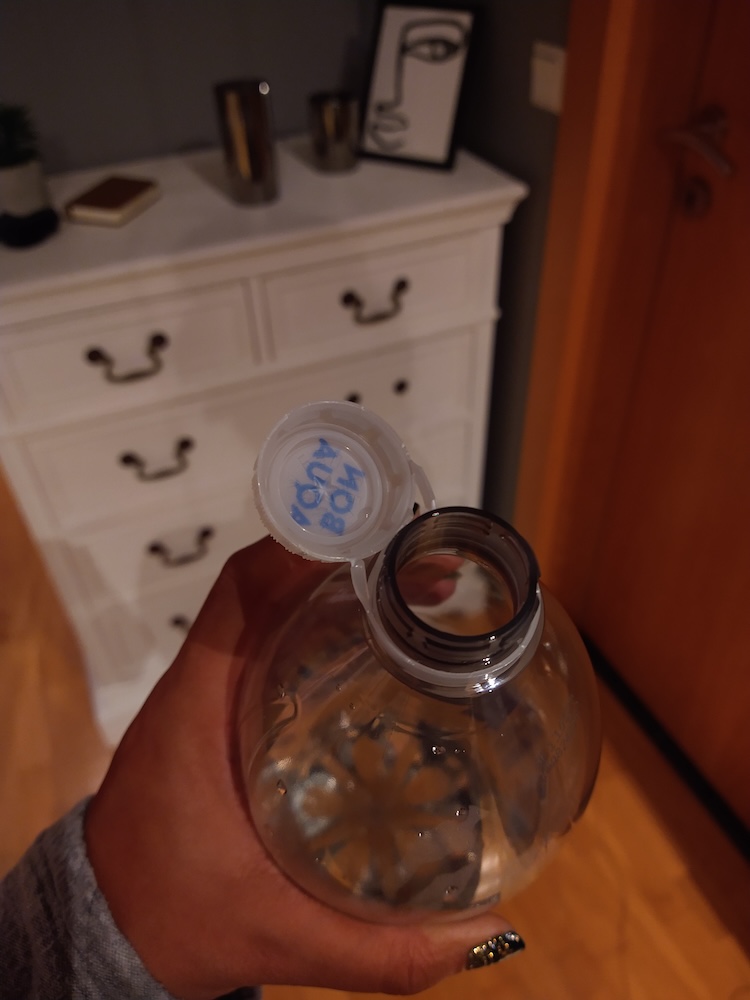
Also in case you love sparkling water like I do, the bottles in Iceland are similar to the ones in Europe that have a cap that don’t fully come off the bottle, I assume so you don’t lose it, which I found very cool 🙂 .
Restaurants
When we weren’t in the wilderness, we enjoyed exploring cafes, bakeries and a few restaurants in Iceland, but that was a rare occurrence. Just a heads up that in Iceland, tips and service charges are already included in the price of each item.
Money
When I visited Iceland 1 USD = 134.83 ISK, so to quickly get an idea of what prices mean in USD, I would just move the decimal point two spots to the left. During our first visit, we got some ISK cash out of an ATM at the airport since we didn’t know if some places wouldn’t take credit cards.
Well, we ended up with basically all of that cash still on the last day because every place we went took credit cards – even tiny coffee carts in the middle of nowhere. It was wild. The only time we used cash was to pay to use a public restroom once, which I mentioned above.
Cost
I like to base estimates on solid facts. That’s why I began my retirement calculations by assuming I would continue spending the same amount that I did during my awesome HCOL life in Seattle, which cost $18,000 a year. I then added 11% on top of that amount just in case, to come to a round $20,000 for my original 2020 annual retirement budget that’s been increased every year with inflation.
I had heard before going to Iceland that it’s quite expensive and while that’s true, in some ways it was actually less expensive than I expected. You can see below how the capital of Iceland compares to Seattle and the main difference is that restaurants are almost 20% more expensive than in Seattle.

So having that information, we were able to plan our trip around that truth and between using IcelandAir’s free stopover, Blue Car Rental’s competitive prices and buying most of our food at local grocery stores, visiting Iceland was not a very expensive place to visit for me. I think that is also because the main source of entertainment in Iceland is its natural beauty, which is basically free. So let’s see what I spent across my two visits to Iceland!
Lodging
Cost: $77.55/day/person
As I mentioned, both of my trips to Iceland I was accompanied by my Partner and my Mom, so I shared all accommodation with them and these costs are my portion (aka 1/3 of the total cost).
I was also curious if my costs were different from 2024 to 2025, when we moved Airbnbs daily in 2024 and stayed in one Airbnb in 2025. Surprisingly there wasn’t a huge difference in cost:
2024: $82.26/day/person
2025: $72.84/day/person
Food
Grocery Cost: $13.20/day/person
This includes an average of the groceries I bought on both of my trips to Iceland. As I mentioned, I usually bought fruit and ready meals during my 2024 trip when we moved every day, and during the 2025 trip where we stayed in one place, I bought basically meat and veggies that I cooked in our Airbnb. Groceries in Iceland were more expensive than I’m used to, but it wasn’t too bad.

Eating Out Cost: $8.92/day/person
As I mentioned, we rarely went out to eat so this just includes a few cafes, bakeries and two sit down meals (but one of them was IKEA – I needed those meatballs 😉 ).
Transit
Cost: $38.35/day/person
This includes our rental car, gas, parking fees and tolls averaged across our two trips and split between the three of us. Both of our rental cars during these trips were hybrids, which helped with our gas mileage. And obviously since we didn’t circumnavigate the country during our second trip, our gas costs decreased.
Entertainment
Cost: $8.82/day/person
This just includes the hot springs I visited because the main entertainment in Iceland is just looking at its beauty, which either costs nothing or a few dollars for parking, which I included in the transit section above.
Conclusion
Before I ever visited Iceland, I was a bit skeptical about it for one reason: Marketing 🙂 . After an almost decade-long career in marketing myself, anything that is advertised heavily gets a raised eyebrow from me.
I only started thinking about Iceland as a destination because of IcelandAir’s huge marketing push for tourism after the country had financial troubles. And I know that marketing can be misleading 😉 . However, that free stopover to a place I was going anyway, paired with competitive flight pricing, led me to visit Iceland for the first time and I’m so glad I did 🙂 .
Unlike many heavily marketed things, Iceland is worth the hype – and then some. Circumnavigating the country with my Partner and my Mom was one of the coolest travel experiences of my life to date. And seeing the northern lights so brilliantly the next year was just as amazing.
I have never seen so many varied landscapes so close together with the gorgeous views completely changing every few hours. Iceland is like seeing 10 different countries in one because of the variety and concentration of absolutely beautiful natural wonders. I was completely enthralled.
That’s why myself, my Partner and my Mom went back to Iceland less than a year after that first visit. And I doubt it will be our last trip to this beautiful country 🙂 . So if you’re looking for natural beauty for a slightly elevated price, I would definitely recommend checking out Iceland. I can’t wait to go back.
If you’re interested in my other Slow Travel Reviews, they’re all here:
International
- Slow Travel Review: Phuket, Thailand – The Land Of Sea & Food
- Slow Travel Review: Montréal, Canada – The Land Of Poutine, Bagels & Acrobatics
- Slow Travel Review: Mérida, México – The Land Of Color & Nature
- Slow Travel Review: Puerto Vallarta, México – The Land Of Beaches & Birds
- Slow Travel Review: Buenos Aires, Argentina – The Land Of Nature & Architecture
- Slow Travel Review: San José, Costa Rica – The Land Of Pura Vida
- Slow Travel Review: Auckland, New Zealand – The Land Of Nature And Cafes
USA
- Slow Travel Review: Portland, Maine, USA – The Land Of Deliciousness
- Slow Travel Review: Catskill, New York, USA – The Land Of Mountains
- Slow Travel Review: Santa Fe, New Mexico, USA – The Land Of Chili Peppers
- Slow Travel Review: Decatur, Georgia, USA – The Land Of Flowers & Food
- Slow Travel Review: Seattle, WA, USA – The Land Of Flowers, Sea And Mountains
- Slow Travel Review: Sacramento, CA, USA: The Land Of Flowers & Sunshine
- Slow Travel Review: Chicago, IL, USA: The Land Of Pizza & Waterways
- Slow Travel Review: Troy, NY – The Land Of Small City Charm
Your last paragraph really made me chuckle in appreciation. Their gamble to provide people with an unusual and affordable way to set foot in Iceland (because surely they’d want to return once they experienced it for themselves) seems to have 100% paid off.
Yeah I agree – it might be the best marketing campaign I’ve ever seen in terms of delivering on what they promise.
Loved your photos of Arnarstapi! I have fond memories of that place. But like you said, everywhere in Iceland is amazing – it completely lives up to the hype.
The one time I was in Iceland, I did guided tours of the Golden Circle, Snaefellsnes National Park and the Westman Islands. That made the experience easier since I didn’t have to do any of the driving myself, but I also missed a couple of great photo opportunities because the bus didn’t stop at every good lookout point.
When I go back, I’d like to try renting a car so I can set my own pace. I’ve never driven in another country (except Canada, I guess), and I would think it’d be stressful to drive somewhere I can’t read the language the signs are in. But your post makes it seem doable.
Thank you! And it’s definitely doable with a GPS – a lot of the signs are in Icelandic and English so between that and the GPS I was good to go 🙂 .
Nice write-up. Iceland is one of the places I want to visit, as is seeing the aurora borealis. It’ll happen one day!!
Thank you and yeah you’ve got this!!
Nice write up. I’ve been there once, in summer, and it either rained or snowed every day we were there, often for the whole day:( But it was still gorgeous. We were there for hiking so we didn’t rent a car, but used busses to get to and from our trailheads. But I’d like to go back and do the whole ring road at a liesurely pace for birding and sightseeing, so I’m glad to hear about Blue Car, because we had also read some scare stories about the car rental situation. Hopefully a premium CC would provide some rental car protection, too.
Thank you! And that’s very interesting to hear about summer in Iceland – I didn’t know weather during that time changed like that. And yeah I love Blue Car Rental and will keep using them when I inevitably go back. I assume that yes – some credit cards would also provide additional protection.
Hi Purple! Love reading these travel posts.
Somewhat random and unrelated question for you though: Would you feel comfortable retiring with $500k like you did in 2020 if you were retiring now in 2026?
I’ve been reading your blog since 2020, and at the time I had a net worth of like $50k. I’ve been able to grow that to $565k but I still feel so far from early retirement.
Do you think it’s still possible to retire early on this amount, or would you wait until, say, $625k (based on inflation of $500k from 2020 to now) instead?
Hi! I’m so happy to hear you enjoy these kinds of posts. And that’s an amazing amount to save in 6 years – Congratulations!!!
If that were me I would be waiting until $625K because my spending has increased with inflation – so $500K in 2026 dollars wouldn’t include everything I spend plus a 11% buffer that I aimed for, which was how I came to my original number. But you do you obviously since I don’t know what your spending situation is 🙂 .
Thanks for this blogpost. It brought back nice memories.
I visited Iceland almost ten years ago now. Also circumvented it, and loved it. I loved the village in the east in a fjord where many artists live. Let’s see if I can find it… Ah yes, it was Seyðisfjörður . Charming village.
The nature itself is indeed gorgeous. And sometimes you drive through landscapes that seem out of this world. The people were very kind, too.
I hope to go there again some time in the future. We were there in September and it was autumn weather. Maybe next time we can go in July or so.
Thank you for reading 🙂 . Seyðisfjörður looks pretty and yeah we’re talking about going in a different season for our third visit. TBD!
When I visited Iceland I only did Reykjavik and its surrounding area, but I got a similar experience as yours seeing such different sights over in Norway, if it ever crosses your radar haha. Took some very scenic trains from Bergen to Oslo in 2022, still one of my favorite trips. Also I think Iceland is more expensive than Norway :O
Thank you for telling me that. I was actually just looking at returning to Norway to see more than Oslo 🙂 . Also very interesting to hear that you think Iceland is more expensive lol.